Category

Development

21posts

12 min

SQLite Is More Powerful Than You Think: What It Can Do That Most Developers Miss

SQLite is likely the most used database engine on the planet, yet most developers still treat it as a toy. A sysadmin read on what it can actually do: built-in JSON and JSONB, full-text search, window functions, STRICT tables, WAL mode, a genuinely good CLI, backups without a server, and the honest limits that tell you when to reach for PostgreSQL.

10 min

dbx vs DBeaver: The 25 MB Upstart and the Universal Veteran

dbx, the 25 MB Tauri-based client from t8y2/dbx, and DBeaver, the Java veteran that has been the default database tool for years, keep showing up in the same threads. A plain-language comparison of their real advantages: dbx wins on size, startup, built-in AI, a free MCP server for coding agents, free NoSQL and message-queue consoles, and self-hosted deployment; DBeaver wins on universal JDBC compatibility, maturity, depth of SQL and admin tooling, and enterprise options.

10 min

x402 Payments Explained: What HTTP 402 Unlocks for Indie Hackers and Builders

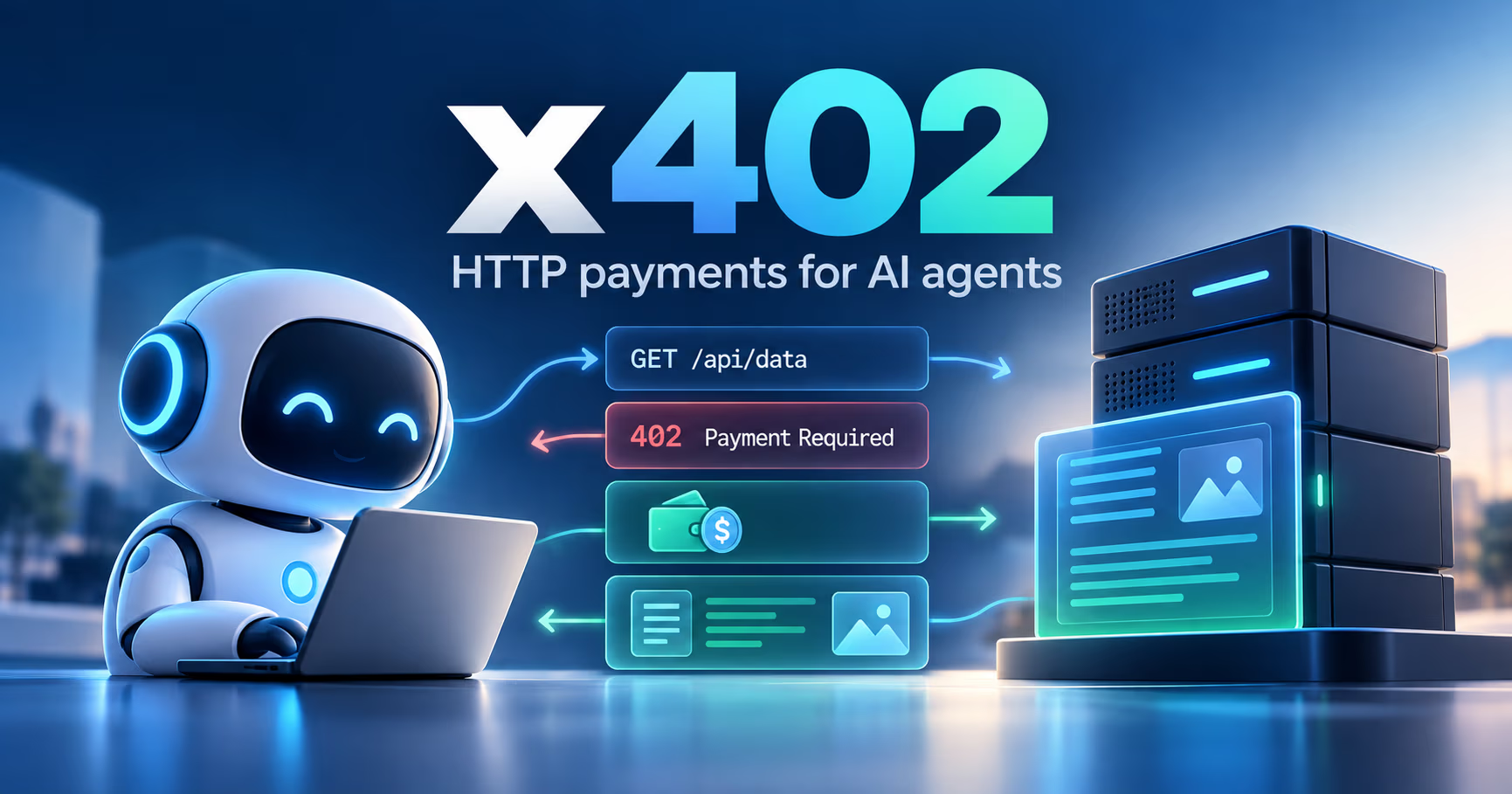
x402 activates the long-dormant HTTP 402 Payment Required status code so a client can pay for a resource inside a normal HTTP exchange, no accounts, no API keys, no checkout. A concept-level look at requests, responses, and payload creation, and what the standard unlocks for indie hackers, builders, and the AI agents that increasingly read their pages.

13 min

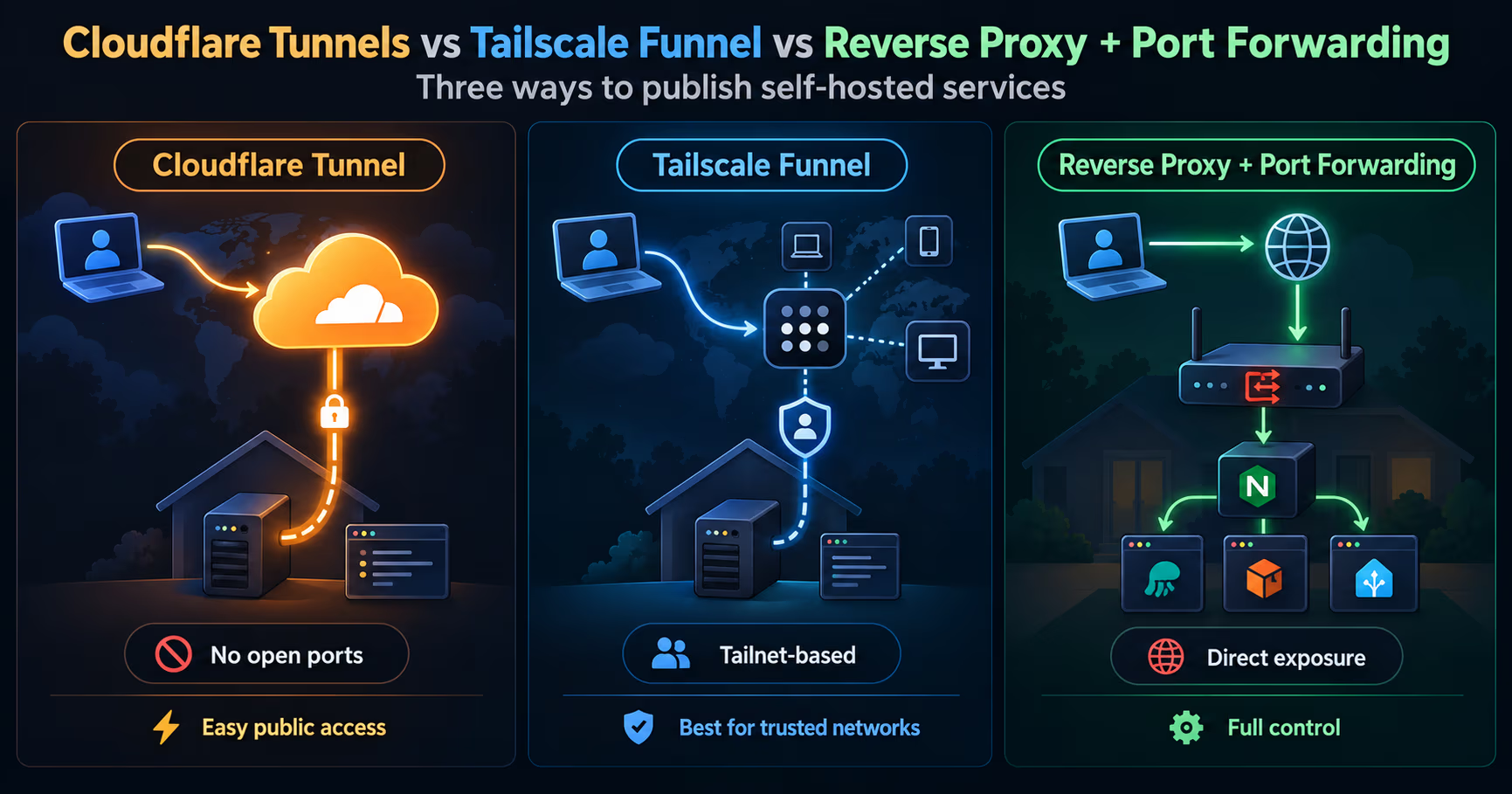
Cloudflare Tunnel vs Tailscale Funnel vs Reverse Proxy + Port Forwarding: Who Dials Whom

Cloudflare Tunnel, Tailscale Funnel, and the classic reverse proxy with port forwarding all answer the same question, how does the internet reach a machine behind NAT, and they answer it differently: who dials whom. A sysadmin comparison of the three front doors, what each one actually is, what changes in the day-to-day, and where the honest choice lands.

20 min

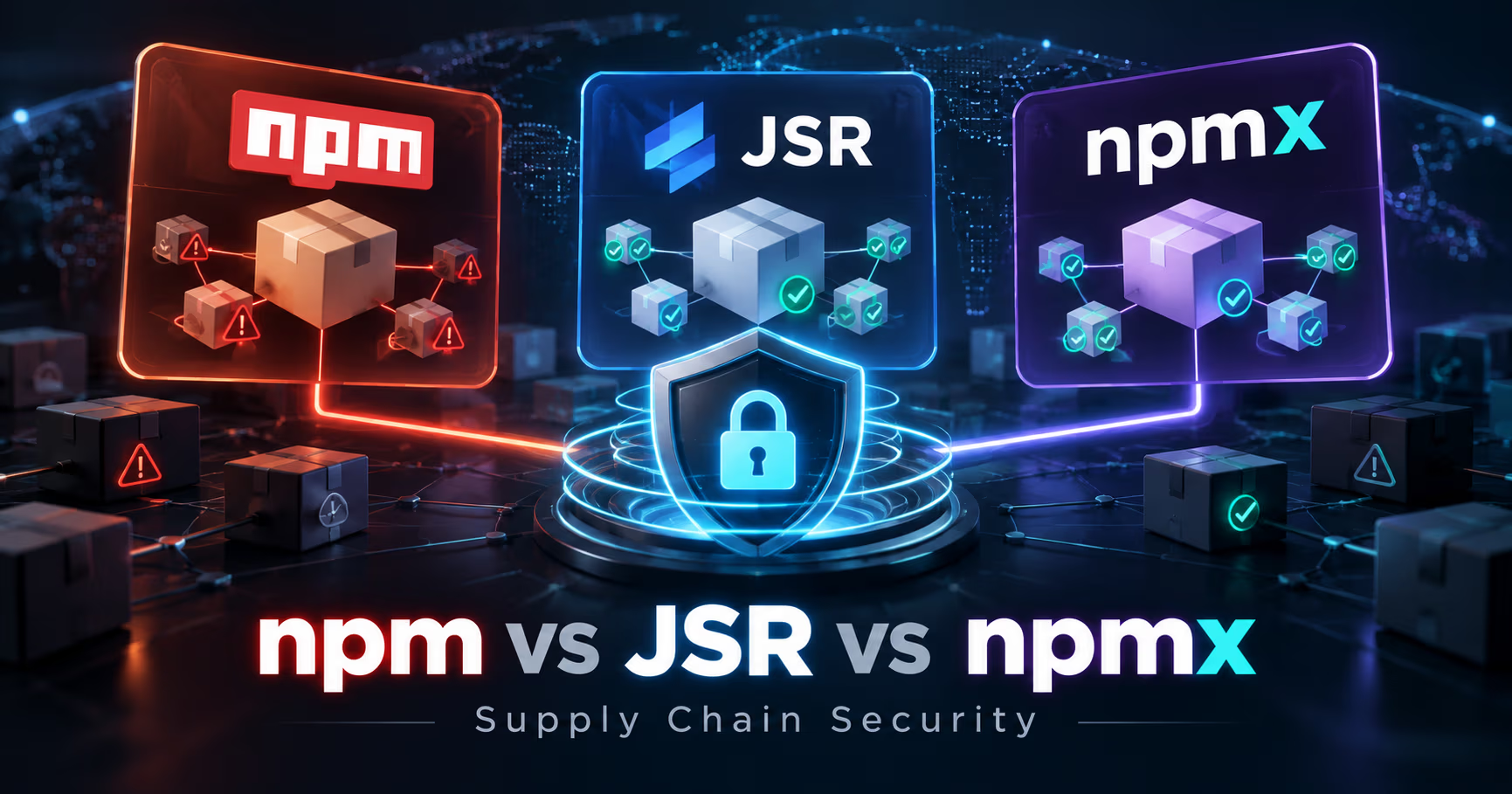
npm vs JSR vs npmx: How the Registry Model Shapes Your Supply Chain Risk

A developer security comparison of npm vs JSR vs npmx (which is a package browser, not a registry), the real alternative registries beyond both, what each registry model changes for supply chain attacks and attack surface, the attacks actually used in 2025 and 2026, and the layered defenses that hold up against them.

10 min

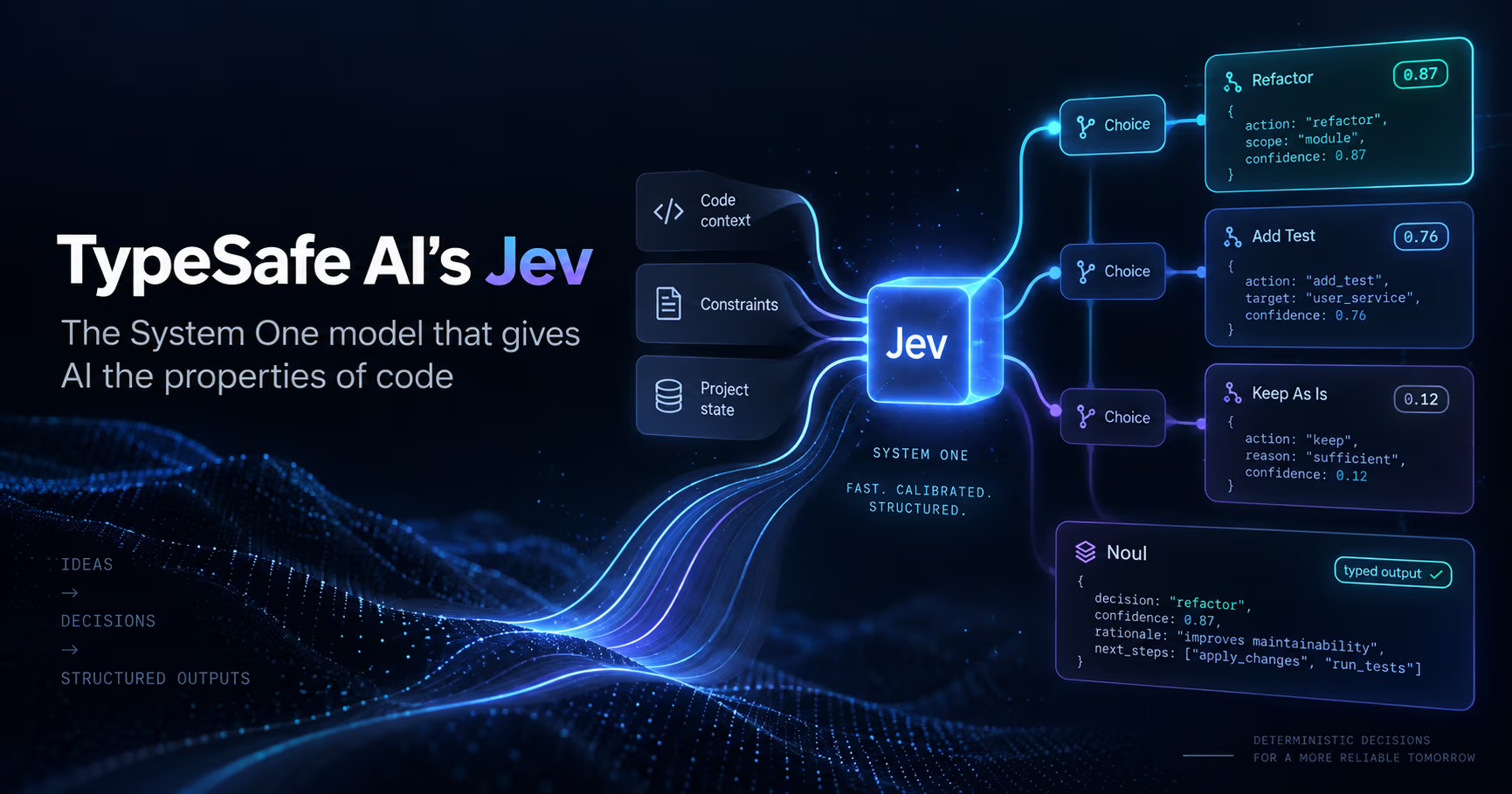
TypeSafe AI's Jev: The System One Model That Gives AI the Properties of Code

TypeSafe AI emerged from stealth on September 15, 2026 with Jev, its first System One model: structured state in, typed decisions with calibrated confidence out, no strings, no parsing. A developer look at why the launch went viral on Hacker News, how the API and SDKs work, the patterns that matter, and what it unlocks in code and business.

10 min

SOPS + age: Secrets in Git Without Pretending Git Is a Vault, Hands-On

SOPS plus age is the git-native way to keep secrets out of plaintext commits: age key setup, .sops.yaml creation rules, the daily encrypt and decrypt workflow, GitOps integration with Flux and Argo CD, key rotation, a recovery strategy that survives a lost laptop, and the honest limits of the pattern.

12 min

Grav vs Astro: Flat-File CMS vs Content-Driven Framework, Hands-On

Grav 2.0 is a flat-file PHP CMS with Markdown and YAML content, a first-party REST API, an MCP server, and a new SvelteKit 5 admin. Astro is a content-driven JavaScript framework with typed content collections and islands. A hands-on comparison of content models, templating, admin, deployment, and when to pick which.

3 min

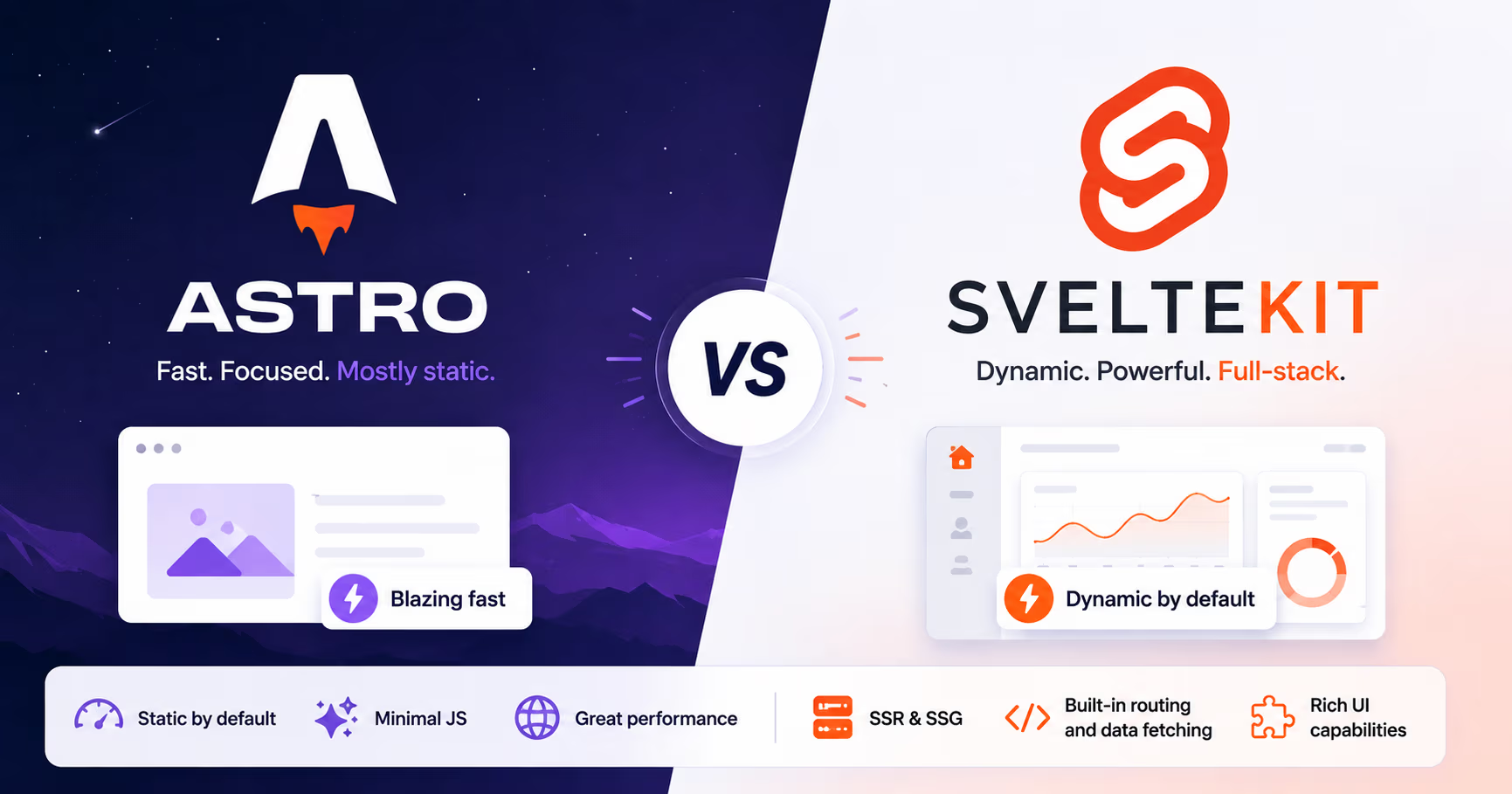
Astro vs SvelteKit: Which Framework Should You Choose?

Astro vs. SvelteKit: Which framework is best for your next project? Strengths, use cases, and unique features of Astro and SvelteKit to help you decide whether to prioritize speed, static content, or dynamic interactivity for your website.